
Community Development
Turning Vision into Real-World Solutions
A neighborhood real-estate DAO starts with a modest property, clear legal obligations and governance that residents can understand and influence.
Essays about community ownership, housing, economic justice and the ways people share resources and make decisions.
A neighborhood real-estate DAO starts with a modest property, clear legal obligations and governance that residents can understand and influence.

What changes when residents help decide what happens to their building, from rent and repairs to the businesses that share the block?

Pooling money can lower the cost of entering real estate. The ownership agreement determines who actually gains authority and how gains are shared.

Down payments, household costs, access to capital and a shortage of modest homes help explain why steady income can still leave buyers priced out.

From convict leasing to the consequences of a record, America’s justice system carries policy choices whose costs still fall on Black families.

Blockchain can serve cooperatives, community funds and local public services when people have genuine authority over what gets recorded and decided.

Poverty can persist across generations as gaps in education, health, housing, transportation and work compound long before a family can recover.

Growing up in a military family and spending summers back in my neighborhood taught me to look for the people missing from the news frame.

Mae Jemison, Maya Angelou, Madam C. J. Walker and Barack Obama offer four ways to think about what it takes to turn talent into opportunity.

A shared purpose can hold a group together while making room for the different experiences and commitments people bring.

Escaping an echo chamber takes more than exposure to competing views. It takes a concrete problem and a reason to solve it with someone else.
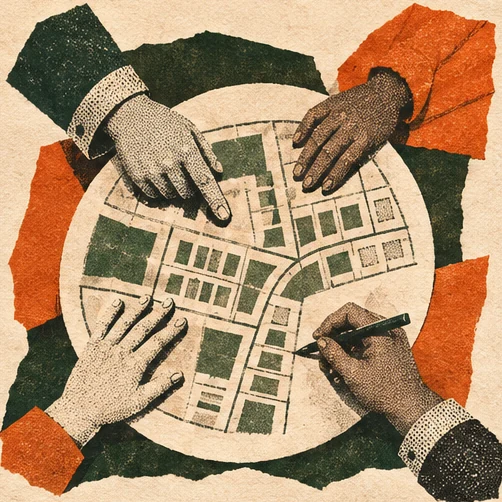
A car in a driveway or a drill in a closet raises a question. When do we need individual ownership, and when would shared access work better?
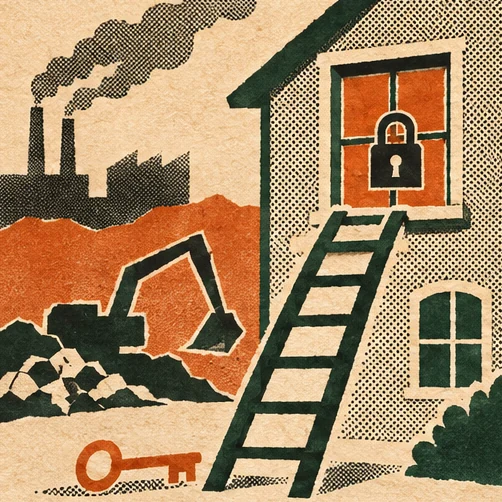
Housing subsidies can create needed homes. Follow the land, fees, rents and ownership rights to see who keeps the benefits as a project matures.

Smart contracts can make payments and approvals easier to verify. Accountability still depends on who writes the rules and who can challenge a result.
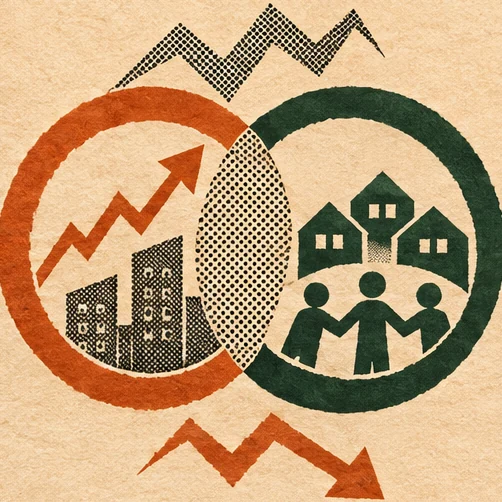
Blockchain can help people coordinate and share control. Speculative markets can reward promotion and concentrate control in many of the same hands.
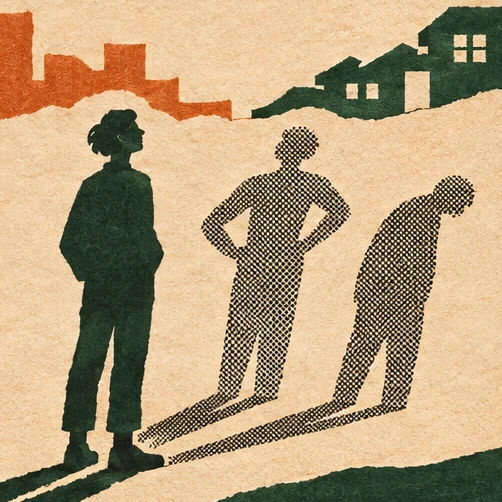
Social comparison can move our idea of enough. Hedonic adaptation helps explain why even hard-won improvements can come to feel ordinary.
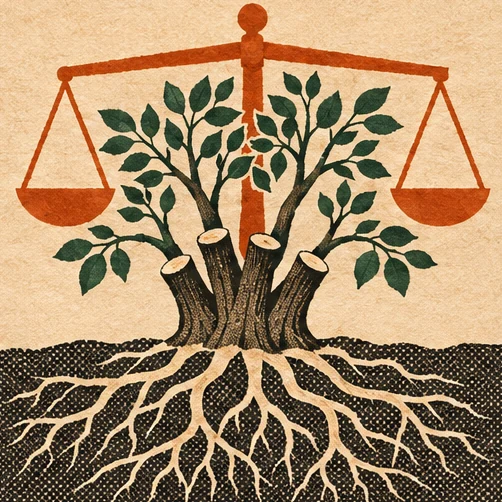
Nwamaka Agbo’s restorative economics framework directs resources toward projects communities own and govern, with the aim of repairing past harm.

When donors set priorities and funding terms, grassroots nonprofits can spend too much of their time answering to people outside the communities they serve.
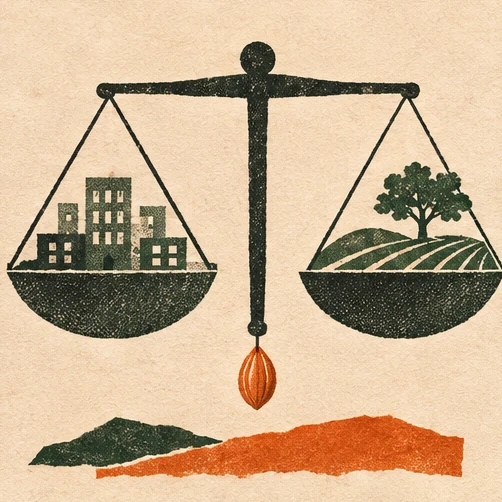
A local exchange can let people trade even when cash is scarce. The hard part is designing for trust, steady participation and fair access.

A practical introduction to mutual credit, how a local trading group keeps its books and where community exchange runs into limits.

A first check from family or friends can buy a founder time to build. Founders from families with less wealth have fewer ways to raise that money.
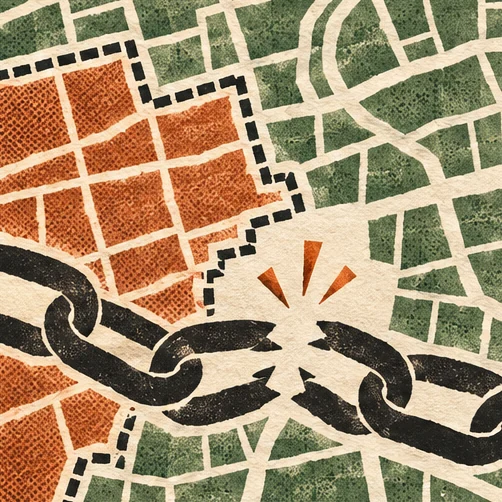
Slavery, discriminatory lending and low-wage labor show how economic power can do harm long after the policy that created it has changed.
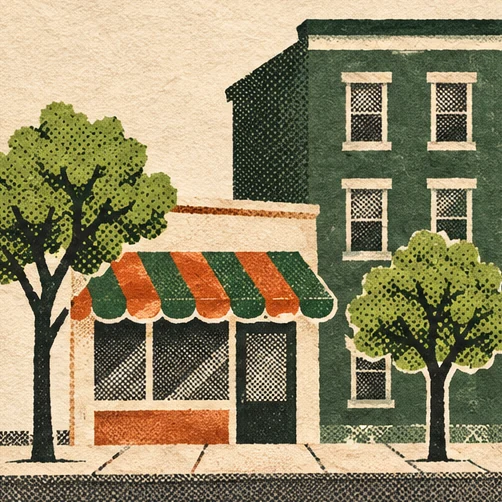
Local businesses can keep income and decisions closer to a neighborhood. They need affordable space, dependable customers and access to working capital.

Catalytic capital can absorb a risk conventional investors will avoid. Its public value depends on who benefits and who controls the outcome.
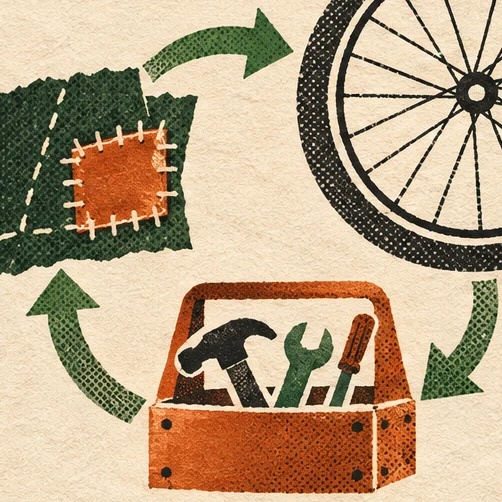
Sharing makes an item useful to more people. A circular economy asks how to keep that item working and recover its value when it wears out.

Local energy, transportation and repair networks can make environmental decisions more responsive when people have the capacity to run them.
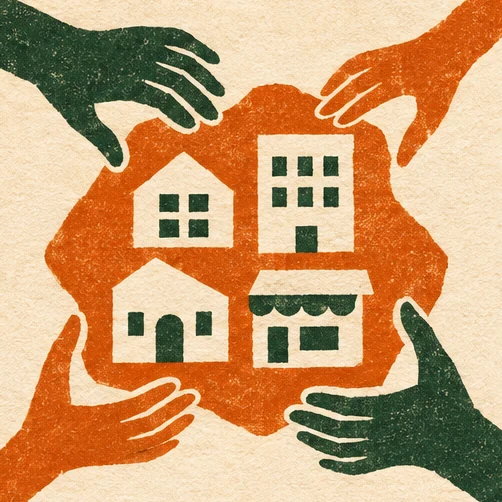
Community-driven development gives residents the authority and resources to shape long-term changes alongside the services they need right now.

A social enterprise uses business activity to pursue a public purpose. Its promise is strongest when the people it serves can hold it to that purpose.

A look toward 2045 asks what distributed financial infrastructure could do for cross-border payments, shared investment and access to ownership.