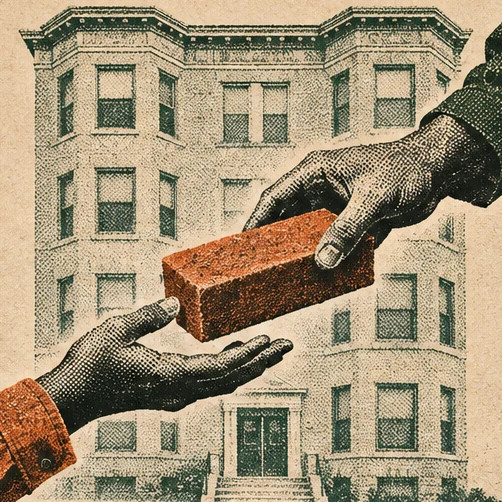
Challenging the Status Quo—Why Middle-Class Homeownership Feels Out of Reach
Down payments, household costs, access to capital and a shortage of modest homes help explain why steady income can still leave buyers priced out.
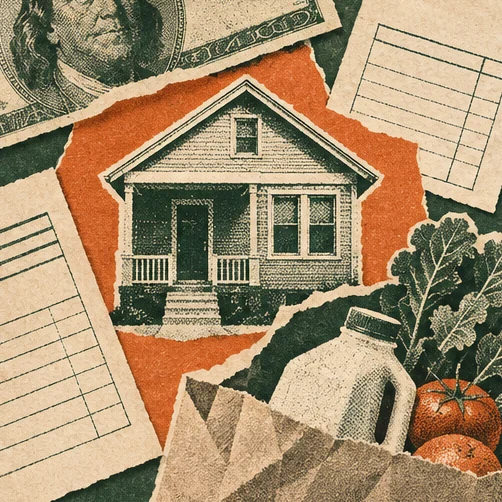
A stable paycheck can still fall short
A household can pay its bills on time and still spend years trying to buy a first home. Between rent, childcare, healthcare and student debt, there may be little left to save. A buyer can finally pull together a down payment and still lose the house to an offer that can close in cash.
Focusing on how a family budgets misses how much control other parties have over the process. A seller values certainty. A lender evaluates credit and income. A builder looks at land, labor and financing costs. Households with cash or assets can absorb delays and setbacks that end the search for a first-time buyer.
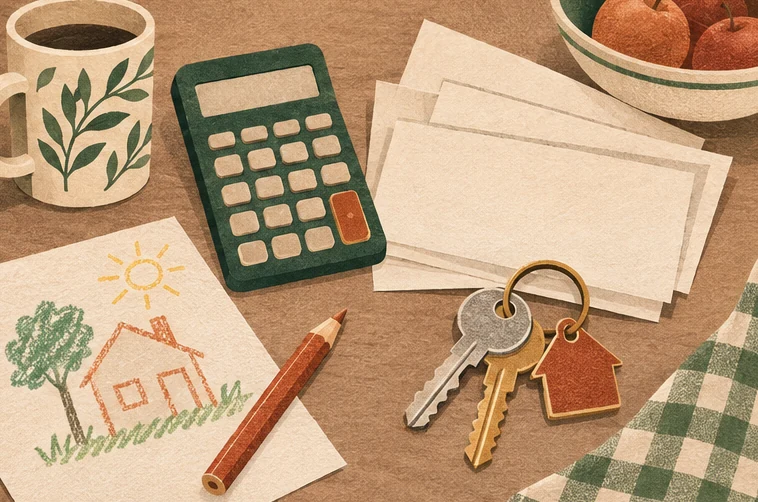
What happened to the starter home?
The modest first house once gave many families a way to put down roots and begin building equity. In places where construction costs and land prices make smaller homes difficult to deliver at a lower price, builders have reasons to produce larger homes or units at a higher price point. Families who might have moved into a starter home stay in the rental market longer, which can put pressure on rents and make saving harder.
Buying also changes who gets to benefit when a neighborhood appreciates. Owners can build equity if prices rise and the cost of owning remains manageable. Renters who helped make a place valuable can see their costs rise and have to move. Schools, local businesses and community groups then lose relationships that took years to build.
Ask who gets to stay
Local policy can make room for smaller homes, help qualified buyers with entry costs and support community land trusts or other forms of shared ownership. Each approach has a different answer to what a family can afford, who keeps the value as it grows and who bears the risk when property prices fall.
The goal should be to give residents a stake in the neighborhoods they sustain. That calls for attention to both supply and ownership. Building more homes helps when the people who need them can actually make a purchase and keep paying for life in the place they chose.