Reimagining Ownership—How DAOs Could Revolutionize Access
Pooling money can lower the cost of entering real estate. The ownership agreement determines who actually gains authority and how gains are shared.

Start with a purchase nobody can make alone
Imagine a nurse, a teacher and several local business owners who want to buy a small multifamily building. On their own, each would have to cover a down payment, closing costs and a reserve for repairs. Together they can commit smaller amounts to a shared purchase and agree on how to divide income, expenses and risk.
A decentralized autonomous organization, or DAO, is one way to coordinate that arrangement. Members can use a digital ledger to record votes, financial commitments and payments. An entity and its legal agreements still determine who holds title, what members own and what happens if somebody wants to leave.
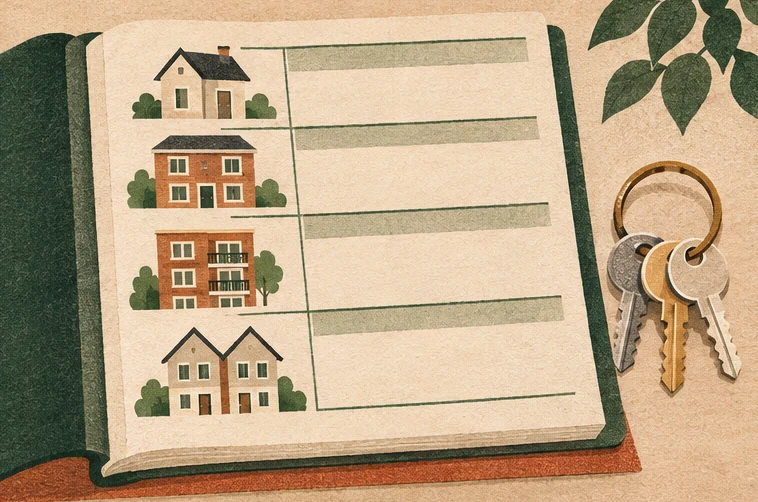
Decide which decisions money can buy
Financial participation and voting power are separate design choices. Members might share income in proportion to what they contribute while giving residents their own say over building policies. Write down who can propose a purchase, authorize a large repair, challenge a fee or review the ledger.
Automation can simplify bookkeeping and repeated distributions. It does little to remove the need for inspections, appraisals or title review. A transparent process can show which services were paid for and why. That knowledge matters for participants who have never been invited inside a real estate transaction.
Make access mean more than a smaller check
Shared ownership carries risks. The property can cost more to maintain than expected. A software bug can compromise funds. Visible transactions can expose patterns members would prefer to keep private. A durable design gives people records they can read, clear limits on access to personal information and a way to have disputes heard.
There is a larger possibility here. Members could choose to make room for a community garden, a small business or shared childcare. They could decide to reinvest some of a building’s proceeds in neighborhood priorities. Lowering the cost of entry gets people to the table. Shared decision-making gives them a reason to stay.