DAOs
Building Community, Not Just Collecting Assets
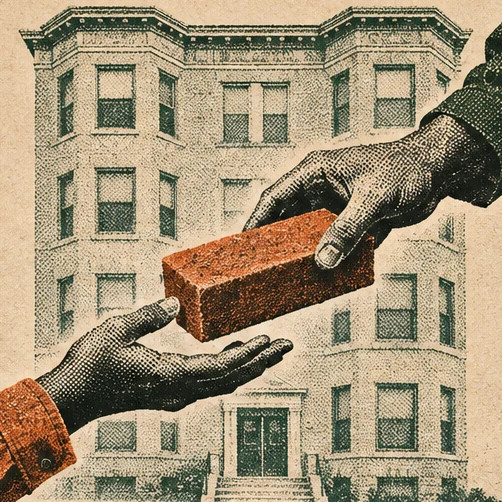
What changes when residents help decide what happens to their building, from rent and repairs to the businesses that share the block?
Who makes the rules when people share a ledger, a property or the infrastructure they rely on?
What changes when residents help decide what happens to their building, from rent and repairs to the businesses that share the block?
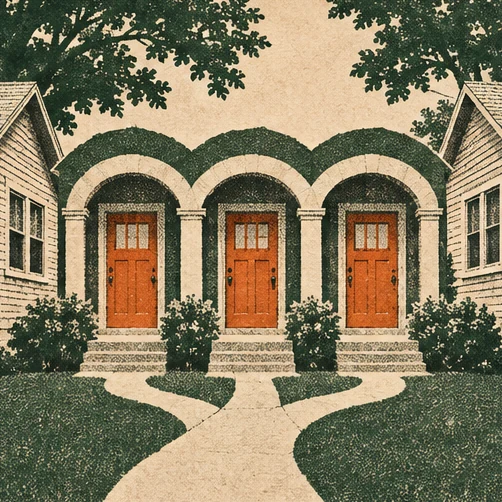
Pooling money can lower the cost of entering real estate. The ownership agreement determines who actually gains authority and how gains are shared.
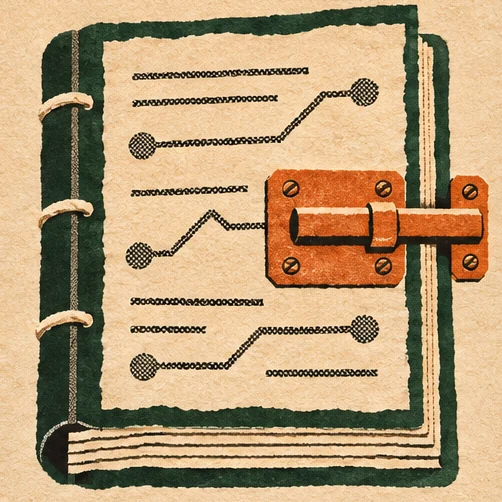
Smart contracts can make payments and approvals easier to verify. Accountability still depends on who writes the rules and who can challenge a result.
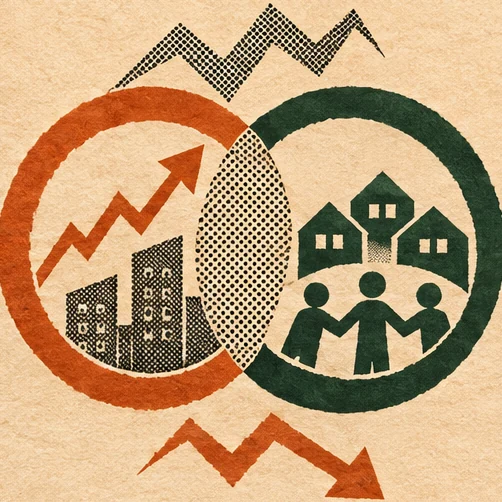
Blockchain can help people coordinate and share control. Speculative markets can reward promotion and concentrate control in many of the same hands.
Local energy, transportation and repair networks can make environmental decisions more responsive when people have the capacity to run them.

A look toward 2045 asks what distributed financial infrastructure could do for cross-border payments, shared investment and access to ownership.