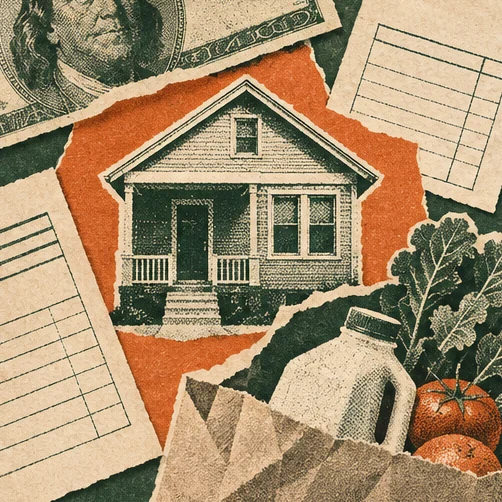
Home Ownership
Challenging the Status Quo—Why Middle-Class Homeownership Feels Out of Reach
Down payments, household costs, access to capital and a shortage of modest homes help explain why steady income can still leave buyers priced out.
Essays on the distribution of wealth and power, from unequal access to credit to restorative economics and local exchange.
Down payments, household costs, access to capital and a shortage of modest homes help explain why steady income can still leave buyers priced out.
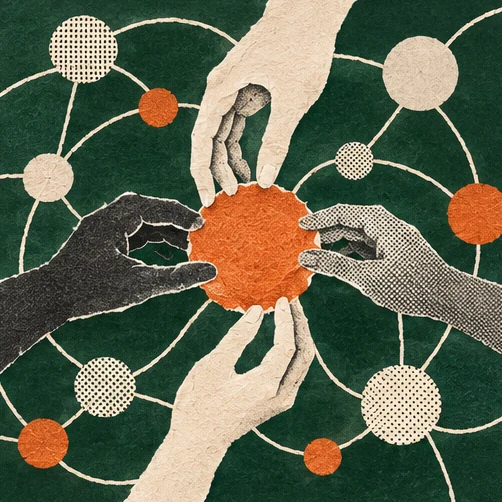
Blockchain can serve cooperatives, community funds and local public services when people have genuine authority over what gets recorded and decided.
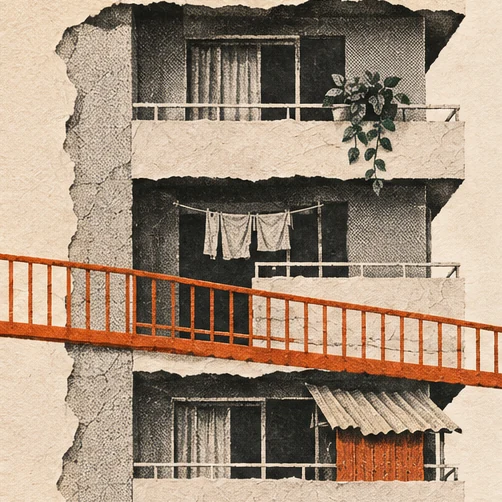
Poverty can persist across generations as gaps in education, health, housing, transportation and work compound long before a family can recover.
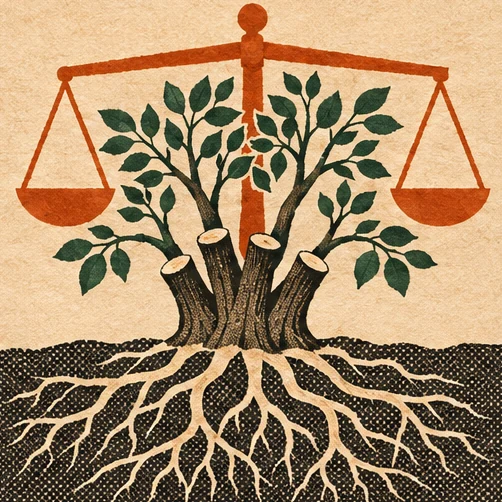
Nwamaka Agbo’s restorative economics framework directs resources toward projects communities own and govern, with the aim of repairing past harm.
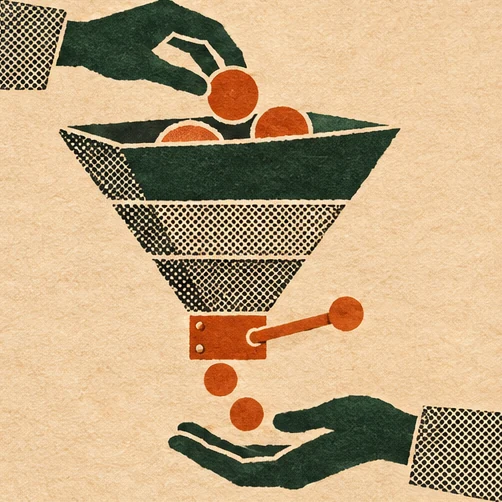
When donors set priorities and funding terms, grassroots nonprofits can spend too much of their time answering to people outside the communities they serve.
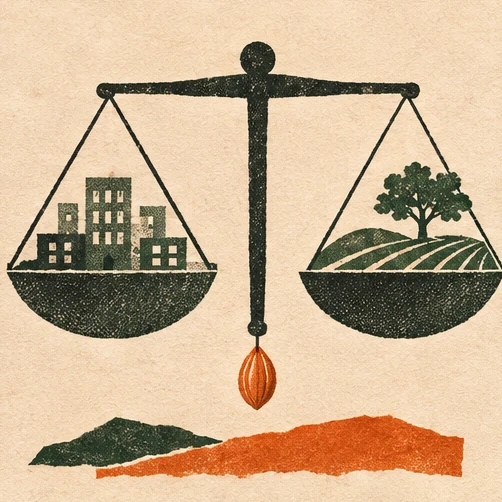
A local exchange can let people trade even when cash is scarce. The hard part is designing for trust, steady participation and fair access.
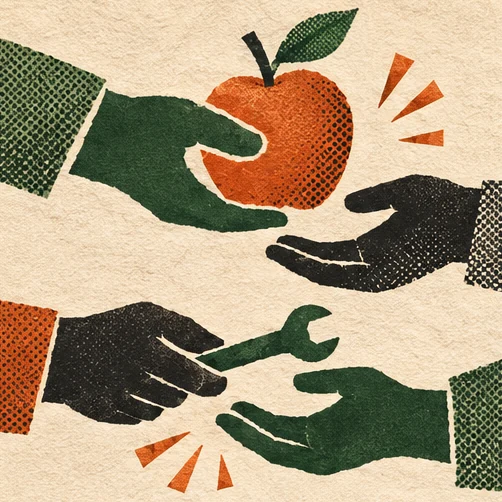
A practical introduction to mutual credit, how a local trading group keeps its books and where community exchange runs into limits.
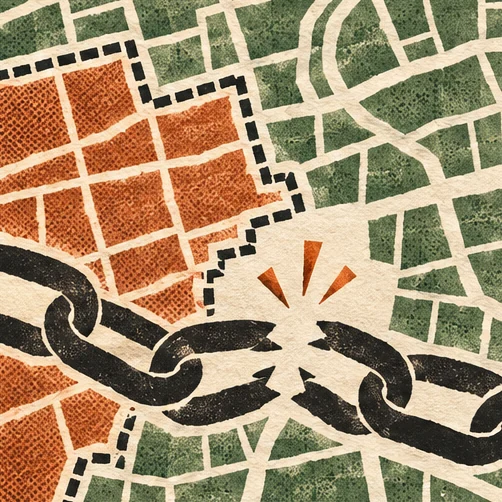
Slavery, discriminatory lending and low-wage labor show how economic power can do harm long after the policy that created it has changed.
Local businesses can keep income and decisions closer to a neighborhood. They need affordable space, dependable customers and access to working capital.
Local energy, transportation and repair networks can make environmental decisions more responsive when people have the capacity to run them.