Building a Stronger Future: The Role of Community-Based Businesses in Local Economies
Local businesses can keep income and decisions closer to a neighborhood. They need affordable space, dependable customers and access to working capital.
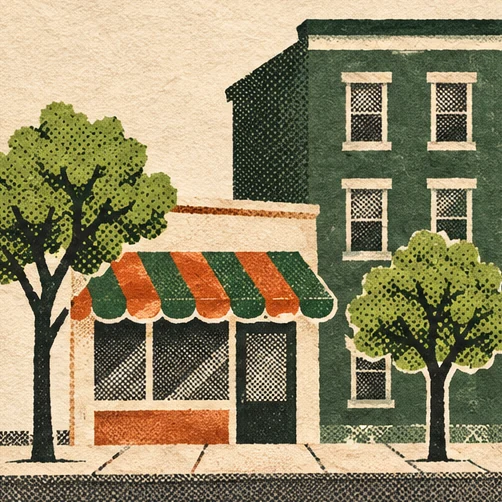
What stays on the block
A corner store, child-care provider or trades business makes more than a sale. It pays people, chooses suppliers and decides where to put whatever it earns. When those relationships are local, more of the benefit can reach the same neighborhood that supports the business.
Ownership also matters when choices become difficult. A business rooted in a place may understand why a particular service is hard to replace, or know where to hire someone whose experience a large firm would overlook. It still has to pay the bills. That balance is worth taking seriously.
Back the ordinary costs of staying in business
Community lenders can help with working capital. Shared services can reduce the cost of bookkeeping and purchasing. Anchor institutions can make a difference by buying from neighborhood firms and paying on time. A lease a business can afford after a corridor becomes more attractive may matter more than a one-time grant.
The public can judge these efforts by looking at who owns the businesses that stay, where wages go and whether residents can afford the services available to them. A strong local economy gives the people who keep it running a stake in what grows next.