LETS as a Model for Alternative Economic Systems: A Look Forward
A local exchange can let people trade even when cash is scarce. The hard part is designing for trust, steady participation and fair access.
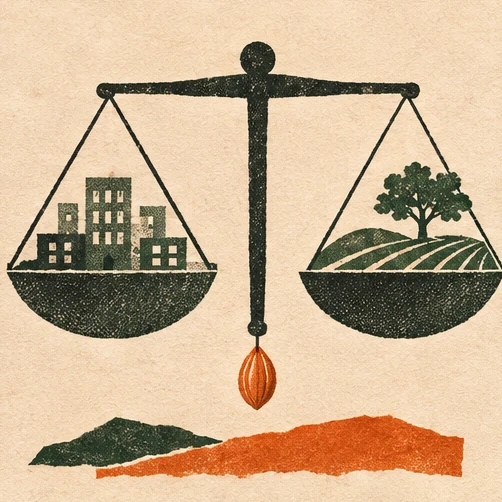
Start with something people already need
A local exchange trading system, or LETS, lets members earn credit by helping one person and spend it with someone else. A baker need not wait for a window repairer who wants bread that day. The baker can earn credit from several neighbors and use it later to pay for the repair.
The most useful first question is what people actually have to exchange. A neighborhood may need home repairs and have several members with those skills. Another might have a lot of offers for the same service and too few people willing to buy it. A local exchange grows when there are recurring reasons to earn and spend.
Make trust a practical matter
Publish the rules on balances, who can join and how people handle disputes. Agree on what happens when someone takes out more value than they return. Keep records legible and make sure members can get help updating them without a smartphone or specialized software.
An exchange with a small area has social ties that make participation easier. It may also have too few kinds of work to make credits useful. Neighboring groups could explore sharing listings or arranging limited exchanges across their boundaries. That adds responsibilities for settling accounts and dealing with disputes.
Give it a job it can do
A local exchange can help a community make more use of time and skills that would otherwise go unused. Its credits may have little use for rent, taxes or purchases outside the network. Judge the exchange by the work it makes possible, who can participate and whether people keep using it after the novelty wears off.