Confronting the Legacy of Economic Violence: Moving Towards a More Just Society
Slavery, discriminatory lending and low-wage labor show how economic power can do harm long after the policy that created it has changed.
Name what was taken
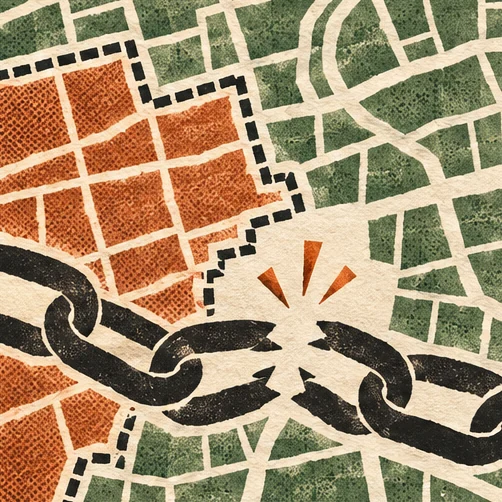
I use economic violence to describe the use of economic power to harm or extract from people. Enslavers took work and freedom from Black people under laws that protected the economic value of that arrangement. After emancipation, criminal penalties and prison labor gave states and employers new ways to compel work.
The logic of cheap labor is still visible in workplaces where workers have little power to refuse dangerous conditions or challenge their pay. Farm, domestic and retail workers can face different forms of this pressure. Immigration status, race and the risk of losing a paycheck can narrow the options available to a person who wants to speak up.
Follow the effect through a household
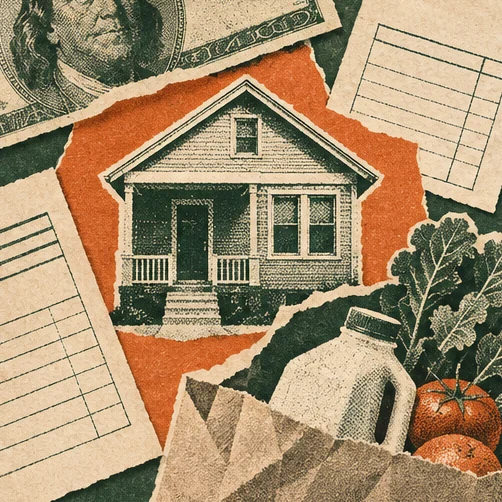
Discriminatory housing and mortgage policies limited where Black families could buy homes and what financing they could get. That affected more than the people who turned up at a lending office. It changed what equity families could build, what assets they could pass on and what resources neighborhoods could use to support themselves.
A credit decision made today can draw on a financial history shaped by those policies. Extractive lending can compound the harm when people with few other options are steered toward more expensive products. Indigenous and immigrant communities have their own histories of dispossession and labor exploitation. Understanding these histories helps identify which policies and institutions need to change.
Use repair as a standard
Enforcement of fair lending and labor protections can address some of the ways harm continues. Access to housing, training and capital can improve the options available to a household. Reparative measures can go further by asking how people who absorbed lasting losses might regain assets and decision-making power.
Count what people can keep. That includes wages, time, equity, freedom and the ability to shape the institutions that decide how those things are distributed.