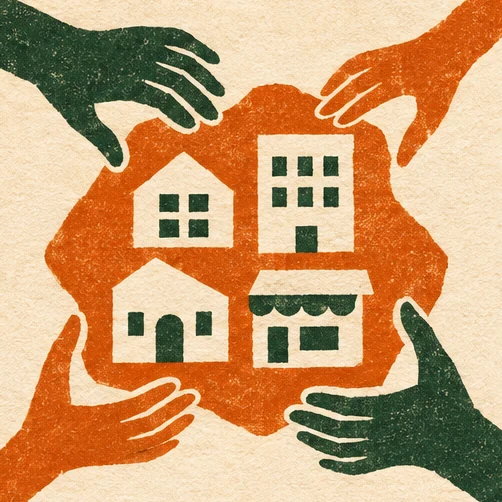
Decentralizing the Nonprofit Sector: Empowering Marginalized Communities to Lead Change
When donors set priorities and funding terms, grassroots nonprofits can spend too much of their time answering to people outside the communities they serve.

Follow who sets the terms
A neighborhood group may know what is needed and still face a year of grant applications before it can hire somebody. Larger institutions can often afford dedicated fundraising staff. A small group may have the same people writing proposals, doing the work and collecting information for reports.
This shapes which work gets done. A funder can pick priorities and set a deadline that rewards a quick visible result. A group might be able to pay for a public event without being able to fund the organizing, care or administration people depend on after the event is over.
Put funding decisions closer to the work
Community-led funding can give people who are directly affected a formal role in setting priorities, reviewing proposals and deciding what gets funded. A local panel needs a budget, clear selection rules and useful protections against favoritism. Participants should have time to do the job and the information to judge a proposal on its merits.
Flexible long-term funds can make it easier for a group to keep staff, build relationships and respond when a need changes. Shared services can help smaller groups with accounting and compliance without requiring them to give up control of their work.
Keep accountability close as well
Funding decisions made locally can still exclude people. Publish enough about the process that applicants understand the result and have a way to raise concerns. Let residents define what would count as progress and examine whether it happened.
Immediate relief matters. Longer-term change also depends on moving resources and decision-making power into the hands of people who will be there after a grant ends.