Beyond Handouts: The Path to Sustainable and Equitable Solutions Through Community-Driven Development
Community-driven development gives residents the authority and resources to shape long-term changes alongside the services they need right now.
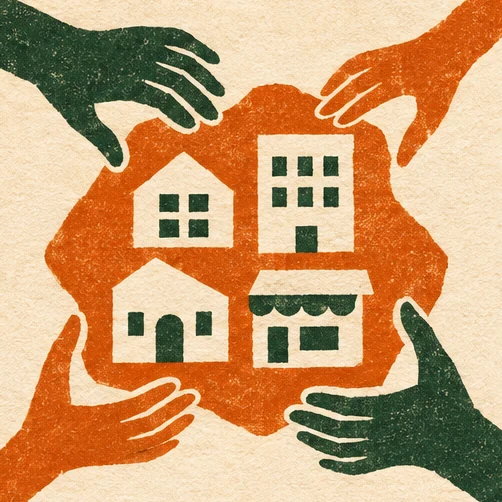
Put the decision where the consequences land
Food, housing support and emergency assistance can matter immediately. A community can still spend years needing the same aid if the people providing it hold all the power over land, jobs and money. The question is how to meet immediate needs while building the ability to make lasting changes.
Start with a place and a decision. If a block needs housing, who sets the priorities for the land? Who gets to appoint the developer, review the budget and decide which households the project should reach? People invited to comment after the deal has been negotiated may have little leverage left.
Fund the ability to govern
Residents need time, information and durable ways to participate. A land trust, cooperative or neighborhood fund can give people formal power when its rules say how members join, select leaders and challenge decisions. Community organizations can help people build those systems. Outside funders can supply resources without reserving every consequential approval for themselves.
Decisions made close to home still need to be accountable to people with less standing or time in the room. Track who takes part, who gains access and what the community controls when a program finishes. The lasting effect of development is what the people who live there are able to do next.