The Role of Media: Perception, Portrayal, and the Power of Narrative
Growing up in a military family and spending summers back in my neighborhood taught me to look for the people missing from the news frame.
The place I knew
During the height of the crack cocaine epidemic, my grandmother would send me to the gas station for cigarettes with a note pinned to my shirt. To me that memory says something about the everyday trust in the neighborhood. People knew one another. It was possible to be a kid sent out on an errand while adults looked out for you.
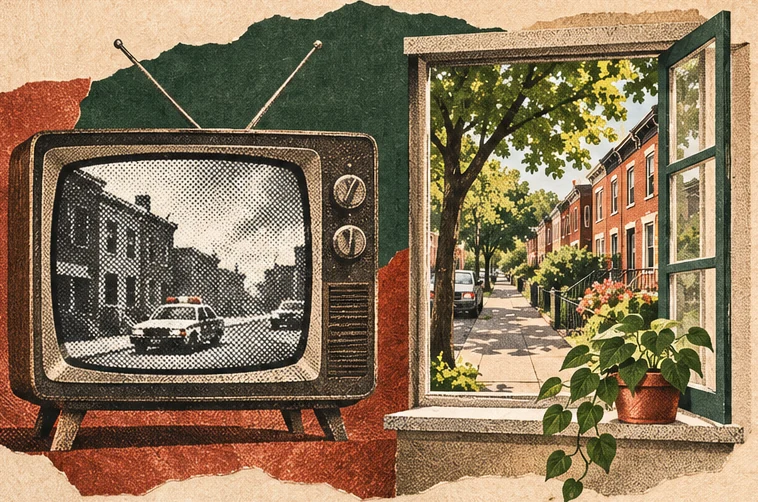
I grew up in a military family and spent summers back in the neighborhood. That gave me two views of the same place. I had the experience of the people I knew and the version I would see on television. Reports showed violence and lawlessness. The people living through a drug crisis, caring for relatives and making their way through real economic hardship rarely had much room in the frame.
A steady diet of the same story
A story can be accurate about the event it covers and still distort the place it depicts. Repeated coverage of crime alongside almost no coverage of ordinary life teaches the audience what to expect of the people there. Those expectations follow communities into public debate about policing, education and investment.
I see a related pattern when scandals involving celebrities of color are made to stand in for the character of a whole group. Casting decisions, which incidents make the news and the language used to describe them all shape what audiences learn to associate with race.
Pay attention to who gets to speak
Journalists and filmmakers from the communities being covered can bring relationships and context to a story that a visiting reporter may miss. Editors can ask which people have been quoted, how long the team listened and what the audience will be able to understand about the place after the piece runs.
Readers and viewers have a role too. Seek out work made by people who live with the consequences of the story. My grandmother’s errand is a small memory. Its value is in what it shows about a street that too many viewers were taught to know only through crime footage.